An options contract is one of the most flexible tools in
investing, but also one of the most misunderstood. At its simplest, it is an
agreement that gives one party the right, without the obligation, to buy or
sell an asset at a set price by a set date. This guide walks through how
options contracts work from start to finish: what is inside a contract, how
trades happen, what drives prices, and what happens at the end.
What Is Inside an Options Contract?
Every options contract is a standardized agreement traded on
an exchange. Each one has the same core components:
- Underlying asset: the security the option is based on, usually a stock or an exchange-traded fund.
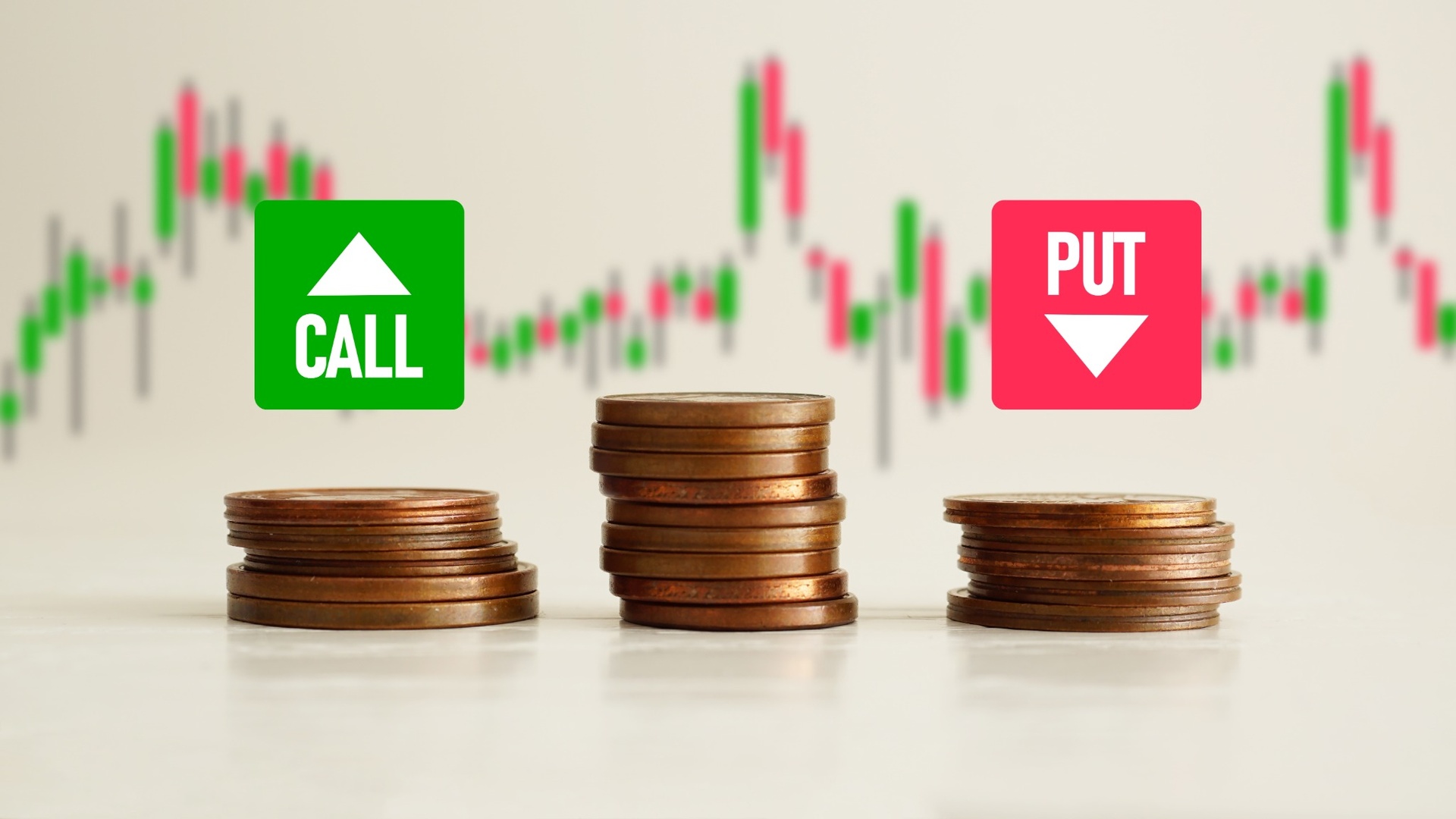
- Type: a call gives the right to buy; a put gives the right to sell.
- Strike price: the fixed price at which the underlying can be bought or sold.
- Expiration date: the last day the contract can be used.
- Contract size: in the U.S., one standard equity option typically controls 100 shares.
- Premium: the price paid by the buyer to the seller, quoted per share.
There are always two sides. The holder (buyer) pays
the premium and owns the right. The writer (seller) receives the premium
and takes on the obligation to deliver if the holder acts. Because contracts
are standardized and cleared through a central clearinghouse, you do not need
to find a specific counterparty. The clearinghouse stands between buyer and
seller.
How Are Options Contracts Traded?
You trade options through a brokerage account, which usually
requires separate approval based on your experience and the strategies you want
to use. Orders are described in two steps: whether you are opening or closing a
position, and whether you are buying or selling.
- Buy to open you purchase a contract, becoming the holder.
- Sell to close: you sell a contract you already own, exiting the position.
- Sell to open: you write a new contract and collect the premium, becoming
the writer.
- Buy to close you buy back a contract you previously wrote, ending your obligation.
To find contracts, traders use an option chain, a
table listing every available strike price and expiration date for a stock,
with current bid and ask prices. The bid is what buyers will pay; the ask is
what sellers want. The gap between them, the spread, is a cost of trading.
Here is a simple example. A stock trades at $100. You buy
one call with a $105 strike expiring in 30 days at a premium of $3. The total
cost is $3 × 100 = $300, which is also your maximum loss. If the stock rises to
$112, the option is worth at least $7 per share, so you could sell it for
roughly $700 or more and keep the difference. You never need to buy the shares.
How Are Options Priced?
The premium has two parts: intrinsic value and time value.
Intrinsic value is the amount an option is already
"in the money." A $105 call on a $112 stock has $7 of intrinsic
value. Options with no such value are "out of the money."
Time value is everything else. It reflects the chance
that the option becomes more valuable before expiration. It rises with more
time remaining and higher expected volatility, and it shrinks as expiration
nears.
Traders measure price sensitivity with a group of metrics
known as the Greeks:
- Delta: how much the option price changes when the stock moves $1.
- Theta: how much value the option loses each day from time decay.
- Vega: how sensitive the option is to changes in implied volatility.
- Gamma: how fast delta itself changes.
You do not need to calculate them yourself, since brokers
display them, but knowing what they mean helps explain why an option's price
may move differently than you expected.
What Happens at Exercise, Assignment, and Expiration?
An option holder has three choices.
1. Sell the option. Most retail traders close
positions by selling before expiration, capturing remaining time value instead
of dealing with shares.
2. Exercise the option. The holder uses the right.
With a call, they buy 100 shares at the strike price; with a put, they sell 100
shares at the strike. Most U.S. stock options are American style,
meaning they can be exercised any time up to expiration. European style
options can only be exercised at expiration.
3. Let it expire. If the option is out of the money,
it expires worthless and the holder loses the premium. Many brokers
automatically exercise options that finish even a small amount in the money, so
check your broker's rules.
When a holder exercises, the clearinghouse randomly picks a
writer to fulfill it. This is called assignment. If you wrote a call and
are assigned, you must sell 100 shares at the strike. If you wrote a put and
are assigned, you must buy 100 shares at the strike. Early assignment is
possible with American-style options, and it surprises some new traders.
Some options, such as those on broad indices, are cash-settled:
instead of delivering shares, the writer simply pays the holder the
in-the-money difference in cash.
Risks and Common Uses of Options
Options can serve several purposes:
- Speculation: controlling a large position with a small amount of capital.
- Hedging: buying puts as protection against a drop in stocks you own.
- Income: selling covered calls against shares you own to collect premium.
The risks are real. Buyers can lose the entire premium if
the option expires worthless, and being right on direction but wrong on timing
still means a loss. Writers of uncovered options can face very large losses,
which is why brokers require margin and approval. Leverage magnifies both gains
and losses, and time decay works against buyers every day.
Many beginners practice with a paper trading account first,
and start with simple strategies where the maximum loss is known in advance.
Frequently Asked Questions
Do I have to own the stock to trade options? No. You
can buy or sell contracts without owning the shares, though some strategies,
such as covered calls, require them.
Can I lose more than I invest in options? As a buyer,
your loss is limited to the premium. As a writer of uncovered options, losses
can exceed the premium received.
What happens if I do nothing at expiration? Out-of-the-money
options expire worthless. In-the-money options may be automatically exercised,
depending on your broker.
Key Takeaways
An options contract is a standardized agreement with a
strike price, an expiration date, and a premium. You can trade it, exercise it,
or let it expire, and the writer may be assigned if the holder exercises.
Prices depend on intrinsic value, time, and volatility. Understanding this
lifecycle makes it much easier to judge whether options fit your goals and risk
tolerance.
Disclaimer: The content published above has been prepared by CFI for informational purposes only and should not be considered as investment advice. Any view expressed does not constitute a personal recommendation or solicitation to buy or sell. The information provided does not have regard to the specific investment objectives, financial situation, and needs of any specific person who may receive it, and is not held out as independent investment research and may have been acted upon by persons connected with CFI. Market data is derived from independent sources believed to be reliable, however, CFI makes no guarantee of its accuracy or completeness, and accepts no responsibility for any consequence of its use by recipients.