Gold and Silver Analysis: Market Outlook & Price Forecast
Christy Achkar
November 3, 2026
Key Takeaways
Gold and silver remain under significant bearish pressure, with both metals trading below their 5-period and 20-period EMAs on the 4-hour timeframe.
Gold is testing support around $3,872, while silver has declined toward $48.70, with its RSI entering oversold territory.
Middle East geopolitical tensions, U.S. interest rate expectations, and the November 3 midterm elections could influence the next major movements in precious metals.
Gold and Silver Price analysis: Key Technical and Fundamental Targets
Gold: Bearish Momentum Continues as Key Support Is Tested
Looking at gold (Figure 1) on the 4-hour timeframe, the
metal continues to experience significant bearish pressure. Prices are trading
below both the 5-period and 20-period Exponential Moving Averages (EMAs), with
the 5 EMA positioned below the 20 EMA, indicating that sellers remain in
control.
Gold recently approached approximately $3,872 per ounce,
revisiting price levels last seen around September 2026. Additionally, the
Relative Strength Index (RSI) stands near 35.8, reflecting weak buying momentum
and continued selling pressure.
A sustained break below the $3,872 support level could
reinforce bearish momentum and potentially lead to further declines. However, a
recovery above the 5 EMA and 20 EMA could signal improving short-term buying
interest.
Silver: Stronger Selling Pressure Pushes Prices Into Oversold Territory
Looking at silver (Figure 2) on the 4-hour timeframe, the
metal is experiencing even stronger bearish momentum. Similar to gold, silver
is trading below both its 5 EMA and 20 EMA, with the shorter-term moving
average positioned below the longer-term average, reinforcing the prevailing
downtrend.
Silver recently declined toward approximately $48.70 per
ounce, approaching price levels last seen around October 2026. Meanwhile, the
RSI stands near 27.7, indicating that silver has entered oversold territory and
is experiencing stronger selling pressure than gold.
A sustained break below the $48.70 support level could
extend the bearish movement. However, given the oversold RSI reading, a
short-term technical rebound remains possible, although this would not
necessarily indicate a reversal of the broader bearish trend.
Current Precious Metals Market Outlook and Economic Drivers
What makes the current movement particularly interesting is
that gold and silver are declining despite heightened geopolitical tensions in
the Middle East, an environment that would traditionally support safe-haven
demand.
One possible explanation is the growing influence of oil
prices on inflation expectations. As tensions threaten energy supplies, higher
oil prices raise concerns that inflation could remain elevated, potentially
forcing central banks to maintain restrictive monetary policies.
This creates an unusual situation where geopolitical
uncertainty, rather than supporting precious metals, can indirectly contribute
to selling pressure.
The relationship became particularly visible on November 2,
when gold rebounded more than 2% as declining oil prices eased inflation
concerns. However, renewed Middle East tensions subsequently contributed to
another rise in oil prices, putting gold under pressure again on November 3.
Silver faces an additional challenge because of its dual
role as both precious and industrial metal. Unlike gold, silver is more
sensitive to changes in global economic activity, particularly demand from
electronics, solar energy, and manufacturing.
Consequently, concerns about economic growth can amplify
silver's price movements, explaining why it often experiences sharper
percentage fluctuations than gold.
Central Bank Demand and Interest Rate Expectations Impacting Metals
Another important factor influencing precious metals is the
direction of U.S. monetary policy.
Gold and silver do not generate interest income. Therefore,
when Treasury yields rise, interest-bearing assets become relatively more
attractive, increasing the opportunity cost of holding precious metals.
According to Reuters, traders were pricing approximately a
73% probability of a Federal Reserve interest rate increase in December,
reflecting continued concerns about inflation.
However, central bank gold purchases remain an important
source of longer-term support. Continued official-sector buying, alongside
investment demand, could help offset some selling pressure even if short-term conditions
remain unfavorable.
Key Risks and Catalysts Facing Gold and Silver Traders
Another major development is the U.S. congressional midterm
elections taking place on November 3, 2026, which could introduce additional
volatility across financial markets.
However, the direction of gold and silver will not
necessarily depend on which political party wins.
Instead, according to analysis, the reaction will
largely depend on how election results influence the U.S. dollar, Treasury
yields, Federal Reserve expectations, and overall investor confidence.
For example, an outcome that strengthens the dollar and
pushes Treasury yields higher could create further downward pressure on
precious metals.
Conversely, declining yields, a weaker dollar, or increased
economic uncertainty could encourage renewed demand for gold and silver.
Geopolitical developments will also remain important.
Further disruptions to Middle Eastern energy supplies could intensify inflation
concerns, while diplomatic progress could reduce pressure on oil prices and
interest rate expectations.
Overall, the precious metals market outlook remains
uncertain. While technical indicators currently favor sellers, the interaction
between geopolitical developments, monetary policy expectations, and U.S.
election results could determine whether gold and silver stabilize or extend
their recent declines.
Disclaimer: The content published above has been prepared by CFI for informational purposes only and should not be considered as investment advice. Any view expressed does not constitute a personal recommendation or solicitation to buy or sell. The information provided does not have regard to the specific investment objectives, financial situation, and needs of any specific person who may receive it, and is not held out as independent investment research and may have been acted upon by persons connected with CFI. Market data is derived from independent sources believed to be reliable, however, CFI makes no guarantee of its accuracy or completeness, and accepts no responsibility for any consequence of its use by recipients.


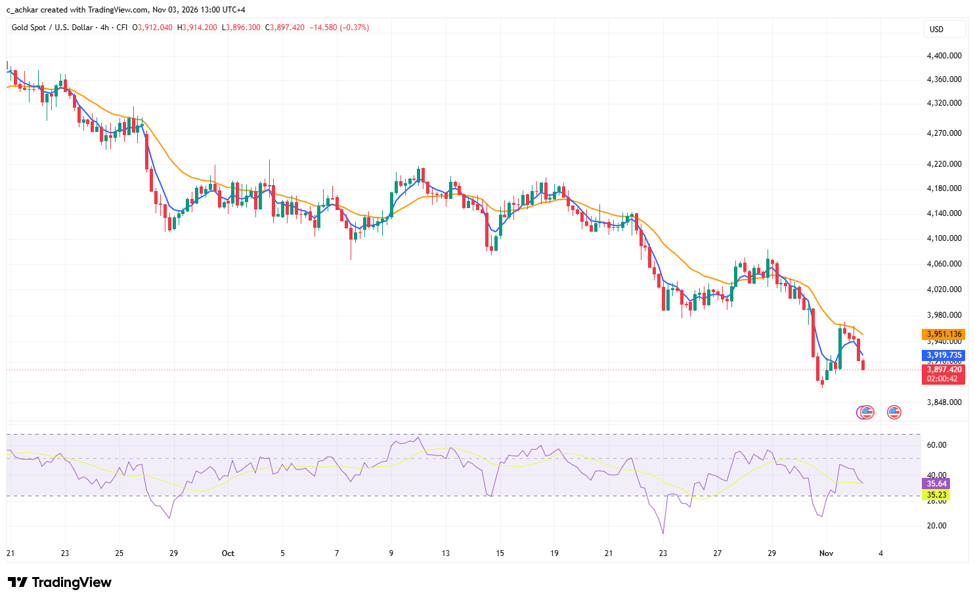 Figure 1: XAUUSD, 4H Timeframe, Source: Trading view
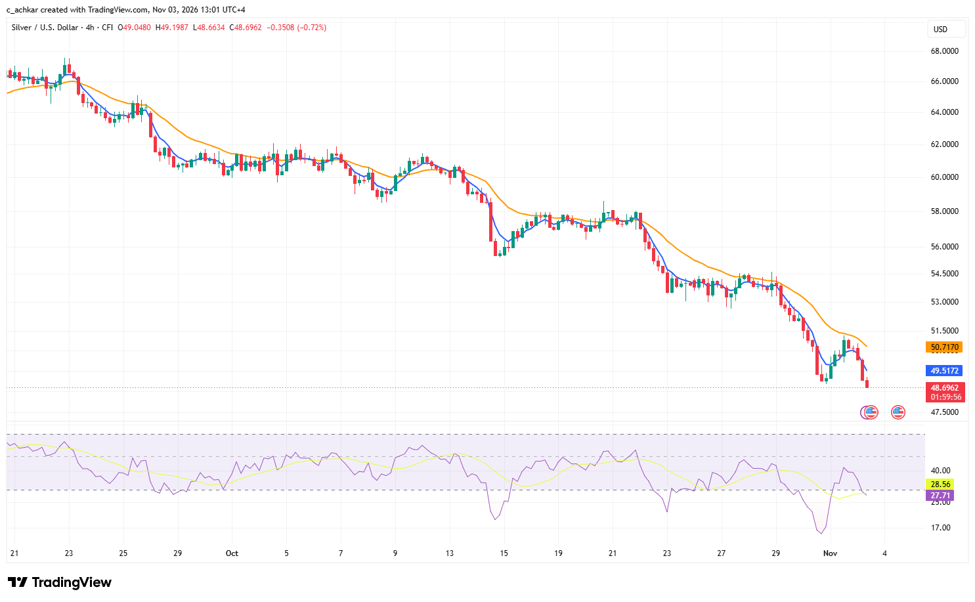 Figure 2: XAGUSD, 4H Timeframe, Source: Trading view